Introduction
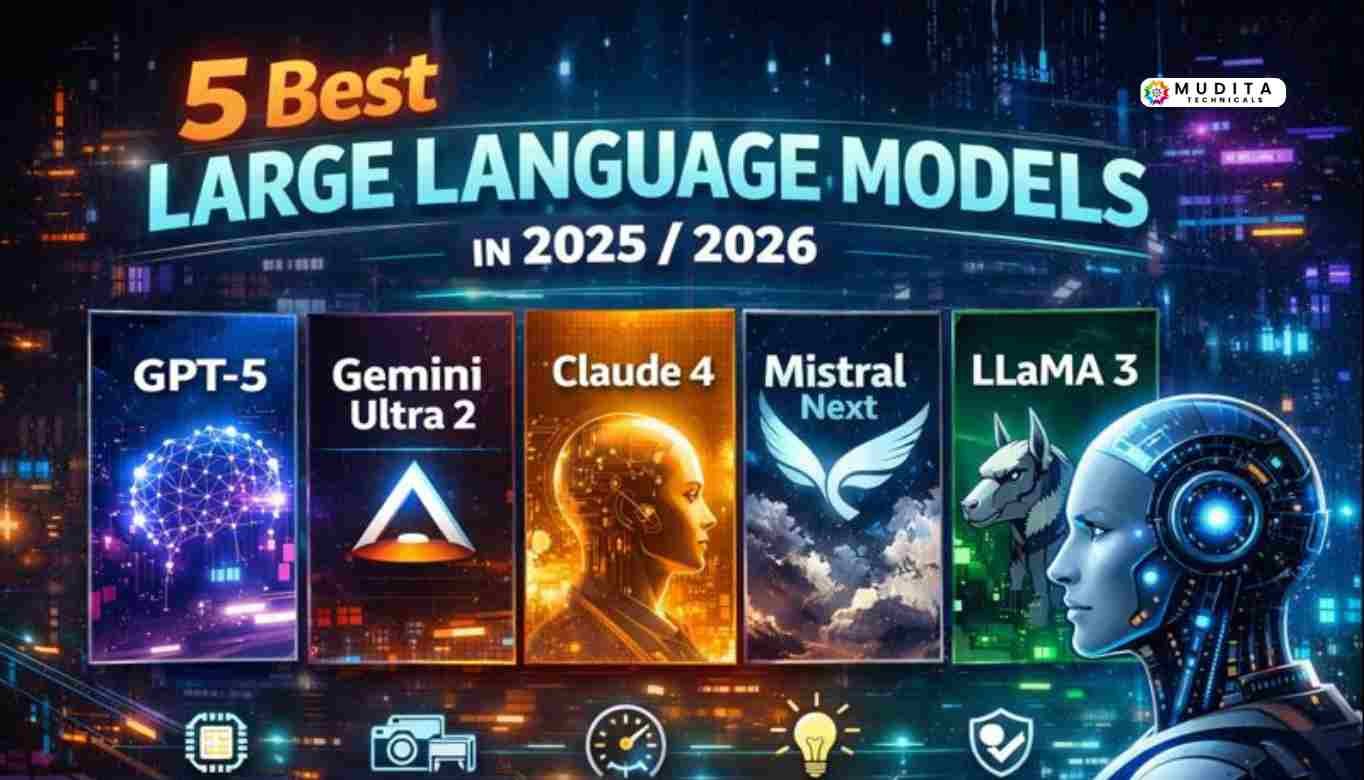
Large language models can feel a little overwhelming at first. There is new terminology, constant updates, and a sense that everything changes just as you start to understand it. At the same time, there is something quietly exciting about them. These systems can read, write, reason, and explain ideas in ways that feel surprisingly human. This is why many people are searching for the 5 Best large language models in 2025 / 2026 to understand what actually matters and which tools are worth their time.
This article is written like a calm conversation, not a technical manual. It is for readers who enjoy technology but do not want to feel rushed or lost. We will explore how modern LLMs think, how they are used in real life, and why certain models stand out today. By the end, the phrase 5 Best large language models in 2025 / 2026 should feel less like a headline and more like a familiar idea you can confidently explain to someone else.
Understanding large language models in everyday language
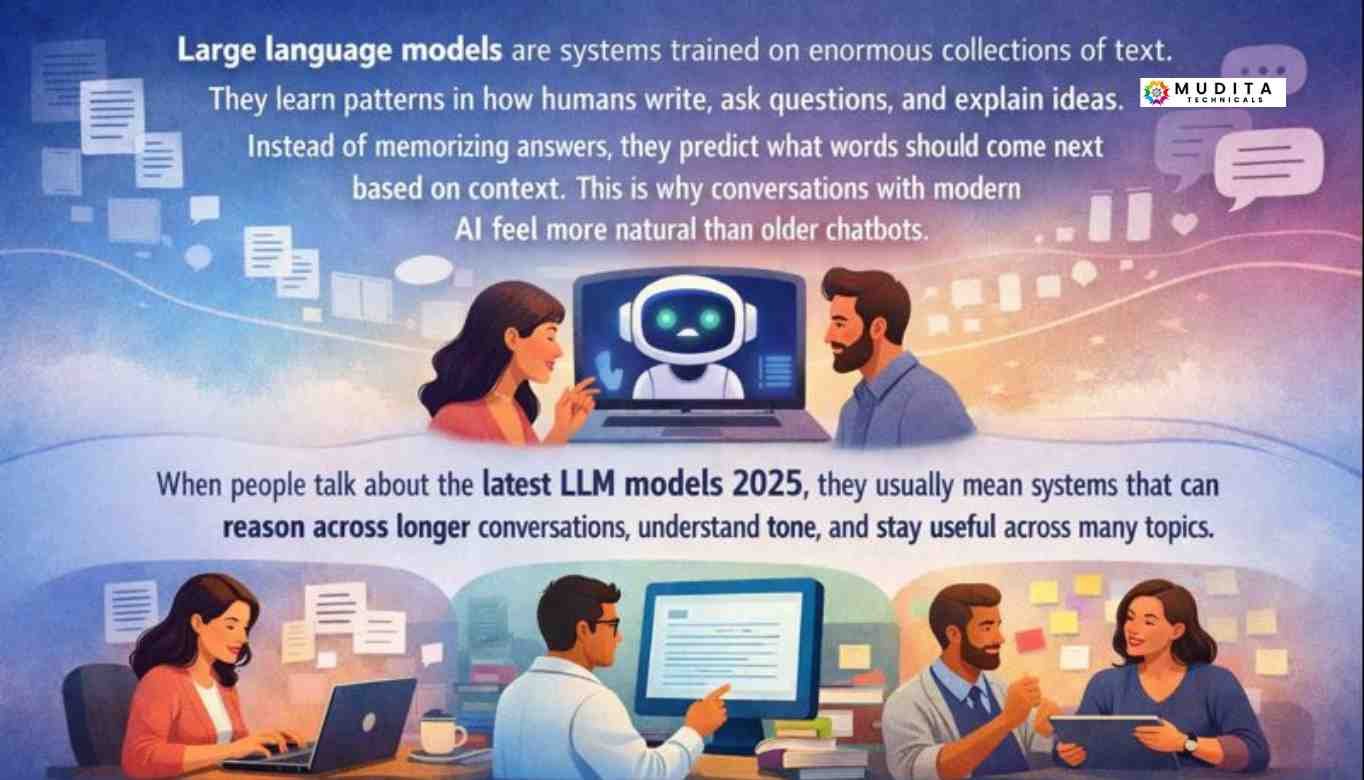
Large language models are systems trained on enormous collections of text. They learn patterns in how humans write, ask questions, and explain ideas. Instead of memorizing answers, they predict what words should come next based on context. This is why conversations with modern AI feel more natural than older chatbots.
When people talk about the latest LLM models 2025, they usually mean systems that can reason across longer conversations, understand tone, and stay useful across many topics. These models are no longer just for engineers. Writers use them for drafts, researchers use them for summaries, and small businesses use them to think through ideas. This everyday usefulness is what makes large language models comparison such a popular topic now.
Why rankings and benchmarks matter more than ever
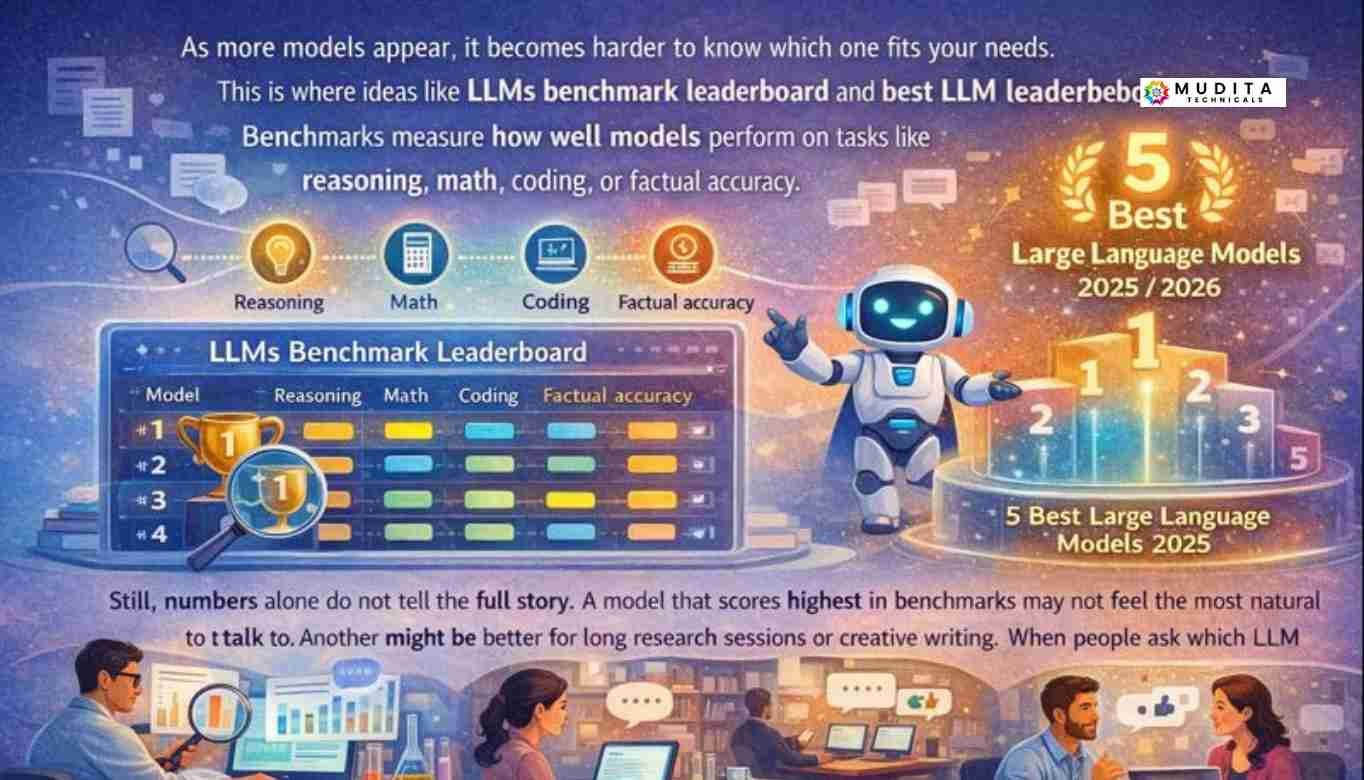
As more models appear, it becomes harder to know which one fits your needs. This is where ideas like LLMs benchmark leaderboard and best LLM leaderboard come in. Benchmarks measure how well models perform on tasks like reasoning, math, coding, or factual accuracy.
Still, numbers alone do not tell the full story. A model that scores highest in benchmarks may not feel the most natural to talk to. Another might be better for long research sessions or creative writing. When people ask which LLM is the most advanced today, they are often really asking which model feels the most balanced and reliable. Understanding this balance is key when exploring the 5 Best large language models in 2025 / 2026.
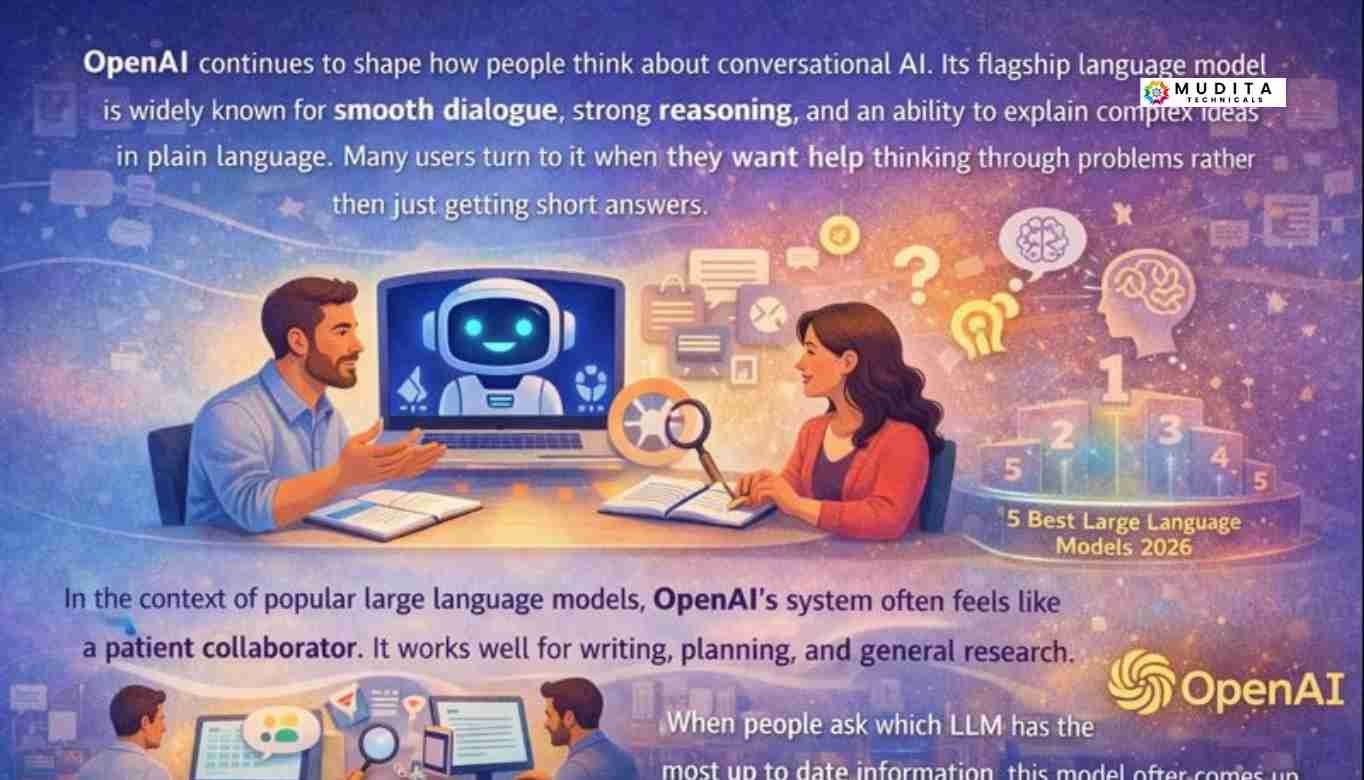
OpenAI continues to shape how people think about conversational AI. Its flagship language model is widely known for smooth dialogue, strong reasoning, and an ability to explain complex ideas in plain language. Many users turn to it when they want help thinking through problems rather than just getting short answers.
In the context of popular large language models, OpenAI’s system often feels like a patient collaborator. It works well for writing, planning, and general research. When people ask which LLM has the most up to date information, this model often comes up due to its integration with tools and frequent updates. Within the 5 Best large language models in 2025 / 2026, it remains a familiar and trusted presence.
How this model fits into research and daily work
For researchers, this model shines when summarizing papers or exploring ideas across disciplines. It does not replace deep reading, but it helps frame questions and organize thoughts. Many consider it among the best LLM models for research because it balances clarity with depth.
For everyday users, it feels approachable. You can ask casual questions or dive into serious topics without changing how you speak. This natural interaction style is one reason it stays high in any large language models comparison. It adapts well to different tones, which makes it suitable for both professional and personal use.
Google’s language model family has grown quietly but steadily. Gemini focuses on reasoning, multimodal understanding, and tight integration with search and productivity tools. It is designed to feel like a natural extension of how people already look for information online.
When discussing the 5 Best large language models in 2025 / 2026, Gemini often stands out for how it blends structured knowledge with conversational responses. It feels especially comfortable handling factual queries and broad topics. This makes it appealing to users who want clarity and context rather than purely creative output.
A model shaped by search and structured thinking
Gemini’s strength lies in how it organizes information. It is well suited for educational content, planning tasks, and understanding complex subjects step by step. This makes it one of the popular large language models for users who value accuracy and logical flow.
In research settings, it performs well when exploring established knowledge. While it may not always feel as conversational as others, it offers a sense of reliability. Many people include it in their personal list of large language models because it mirrors how they already think and search for answers.
Anthropic’s language model, often known for its thoughtful tone, takes a slightly different approach. It is designed to be helpful, careful, and transparent in its responses. Conversations feel slower and more reflective, which many users appreciate.
Within discussions of the 5 Best large language models in 2025 / 2026, Claude is often described as a good listener. It handles long documents gracefully and is comfortable with nuanced topics. This makes it popular among writers, analysts, and researchers who want a steady conversational rhythm.
Long context and thoughtful reasoning
One of Claude’s defining traits is its ability to handle long inputs. You can share lengthy documents and ask detailed questions without losing context. This makes it one of the best large language models for research where continuity matters.
It also shines in ethical reasoning and careful explanations. While it may not always feel playful, it excels in clarity. In large language models comparison discussions, Claude is often praised for feeling respectful and balanced, especially in professional environments.
Meta’s contribution to the LLM world is deeply tied to openness. Its LLaMA models have influenced how developers and researchers experiment with AI. Instead of being locked behind a single interface, these models appear in many tools and platforms.
When people search for an open source LLM models list, Meta’s work is often near the top. In the 5 Best large language models in 2025 / 2026, LLaMA represents flexibility and community driven innovation. It is less about polished conversation and more about adaptability.
Why open source matters to the future of LLMs
Open models allow researchers to study how systems work and improve them locally. This is especially valuable for universities and independent labs. Many consider LLaMA among the best LLM models for research because it encourages experimentation.
For businesses, open models offer control and customization. While they may require more technical effort, they allow teams to build tools that fit specific needs. This practical freedom is why Meta’s models remain a key part of any serious list of large language models.
Mistral AI has gained attention for building compact yet capable language models. These systems focus on efficiency, making them suitable for local deployment and cost sensitive environments. Their approach feels refreshingly practical.
In conversations about the 5 Best large language models in 2025 / 2026, Mistral often appears as a thoughtful alternative. It may not dominate benchmarks, but it offers strong performance relative to its size. This balance appeals to developers and startups alike.
Practical performance without heavy infrastructure
Mistral’s models are often praised for speed and clarity. They handle everyday tasks well and do not require massive resources. This makes them popular in regions where computing costs matter.
In large language models comparison discussions, Mistral represents a shift toward sustainable AI. It proves that useful language models do not always need to be enormous. This idea resonates strongly with researchers exploring efficient design.
How prompt engineering shapes your experience
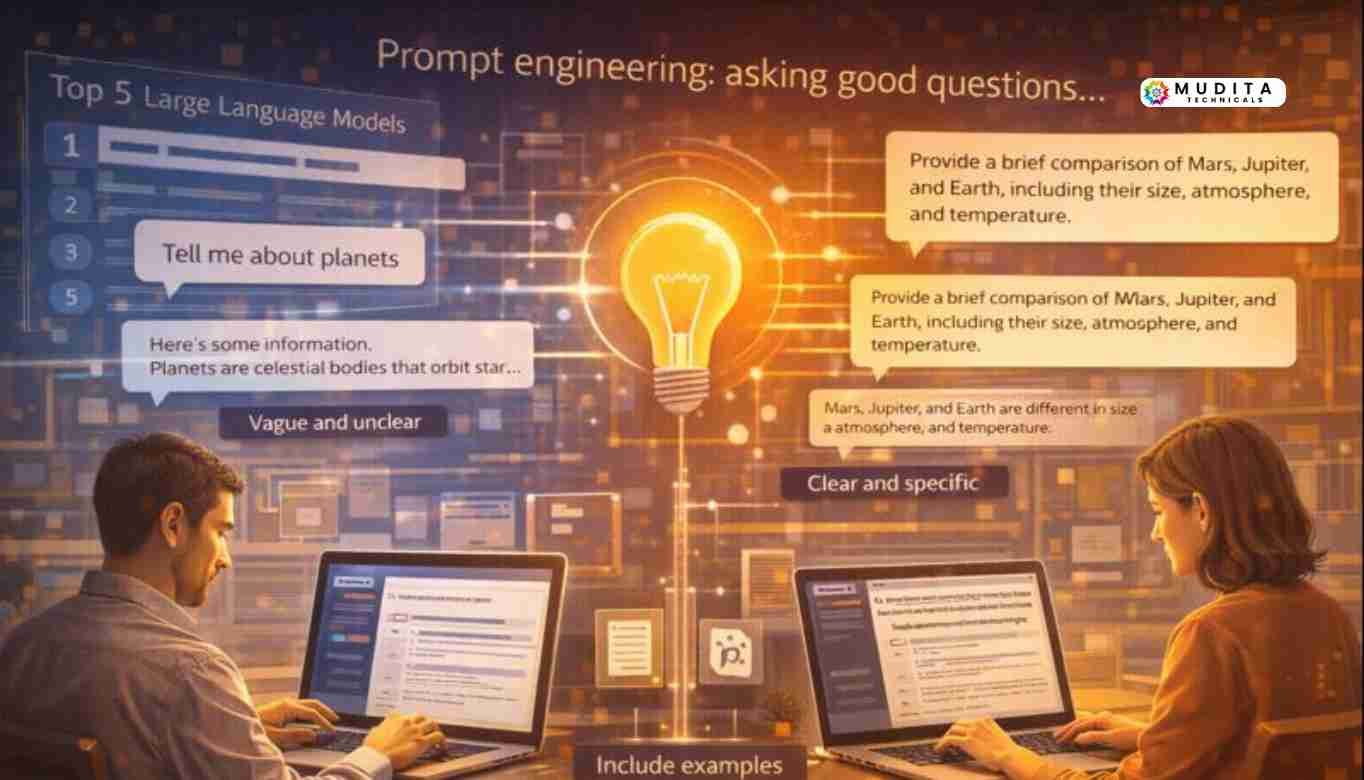
Many readers ask what is prompt engineering in the context of LLM. Simply put, it is the art of asking good questions. The way you phrase a prompt can change the quality of responses dramatically.
Across the 5 Best large language models in 2025 / 2026, prompt clarity matters more than model choice alone. Clear instructions, examples, and context help models respond better. Learning this skill often makes any LLM feel more advanced and personal.
Comparing models through real world use
Benchmarks provide structure, but real use tells a richer story. Some models feel better for brainstorming, others for research, and others for coding. This is why large language models comparison articles remain popular.
When users explore the best LLM leaderboard, they should think about their own needs. Are they writing, studying, or building software. The answer often points to a different model within the 5 Best large language models in 2025 / 2026.
Which model feels most advanced today
The question which LLM is the most advanced today does not have a single answer. Advancement can mean reasoning depth, conversational tone, or adaptability. Each leading model excels in different areas.
What matters is how comfortably a model fits into your daily thinking. Some users prefer structured answers, others enjoy creative exploration. This diversity is what makes the current generation of LLMs feel mature and human centered.
Staying updated in a fast moving field
Updates happen quietly and often. New versions improve reasoning, reduce errors, and handle longer conversations. This is why people ask which LLM has the most up to date information.
Rather than chasing every update, it helps to focus on how models evolve over time. The 5 Best large language models in 2025 / 2026 represent stability as much as innovation. They change, but they remain reliable companions for learning and work.
A thoughtful wrap up for curious minds
Large language models are no longer distant research projects. They are tools we talk to, think with, and slowly trust. Exploring the 5 Best large language models in 2025 / 2026 is less about picking a winner and more about understanding personalities. Each model brings a different rhythm, tone, and way of thinking.
As you experiment, stay curious and patient. Try different prompts, compare responses, and notice what feels natural. These systems are shaped by how we use them. When approached thoughtfully, large language models can become quiet partners in creativity, research, and everyday problem solving. That gentle partnership is where their real value lives.






















5 thoughts on “5 Best Large Language Models in 2025 / 2026 for Research, Creativity, and Everyday AI Use”
I like the efforts you have put in this, regards for all the great content.
I very delighted to find this internet site on bing, just what I was searching for as well saved to fav
I appreciate you sharing this blog post. Thanks Again. Cool.
Valuable reading for global operations executives
Very well presented. Every quote was awesome and thanks for sharing the content. Keep sharing and keep motivating others.